
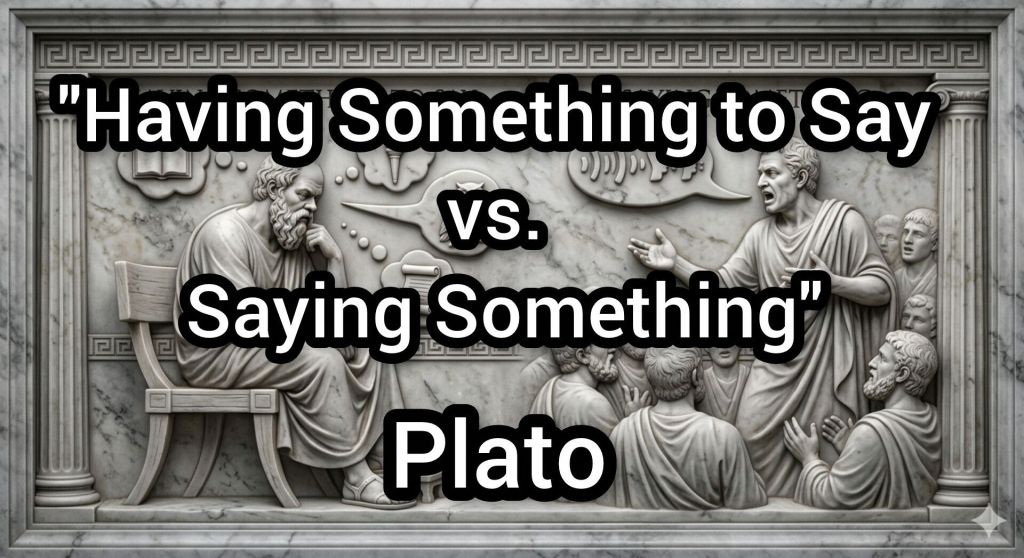
“Something to Say vs. To Say Something”
Good morning. Have you had your coffee? Have you eaten breakfast? What are your plans for today? What did you accomplish? Have you had lunch? Did you take some rest? What is your evening schedule? Is dinner over? Good night and sweet dreams.
Between these routine exchanges, we discuss politics, speak about others in their absence, comment on hobbies, share opinions, and even chant the names of God while the mind wanders in many directions.
Life is largely spent in a continuous exchange of words, specifically in the manner of “to say something,” from waking to sleeping, which often provides only temporary engagement with little lasting impact.
In contrast, “having something to say” is entirely different.
It arises from a deeper source within—a person’s intuition, insight, or lived realization finding expression through words. When such words are spoken and truly heard, they leave behind a quiet resonance. The listener may experience a sense of clarity, inspiration, or even a profound peace that lingers long after the conversation has ended.
The Greek philosopher Plato reflects this distinction in his thought: the distinction between “something to say and to say something.”
As I reflected on this idea, another question arose in my mind:
Is this post itself an example of “something to say,” or is it merely another instance of “saying something”?
I leave that uncertainty open, for perhaps the answer rests not in the words themselves but in the awareness with which they are spoken and received.
Sri Gurubhyo namaha. 🙏

“சொல்வதற்கு ஏதேனும் இருப்பது vs. ஏதேனும் சொல்வது”
காலை வணக்கம். உங்கள் காபியைக் குடித்துவிட்டீர்களா? காலை உணவு சாப்பிட்டுவிட்டீர்களா? இன்றைய உங்கள் திட்டங்கள் என்ன? நீங்கள் என்ன சாதித்தீர்கள்? மதிய உணவு சாப்பிட்டுவிட்டீர்களா? சிறிது ஓய்வெடுத்தீர்களா? உங்கள் மாலை நேரத் திட்டம் என்ன? இரவு உணவு முடிந்துவிட்டதா? இனிய இரவு மற்றும் கனவுகள்.
இந்த வழக்கமான உரையாடல்களுக்கு இடையில், நாம் அரசியல் பற்றி விவாதிக்கிறோம், மற்றவர்கள் இல்லாதபோது அவர்களைப் பற்றிப் பேசுகிறோம், பொழுதுபோக்குகள் குறித்துக் கருத்துத் தெரிவிக்கிறோம், கருத்துக்களைப் பகிர்ந்துகொள்கிறோம், மேலும் மனம் பல திசைகளில் அலைபாயும்போது கடவுளின் நாமங்களைக்கூட உச்சரிக்கிறோம்.
வாழ்க்கை பெரும்பாலும், விழித்ததிலிருந்து உறங்கும் வரை, குறிப்பாக “ஏதேனும் சொல்வது” என்ற முறையில், தொடர்ச்சியான வார்த்தைப் பரிமாற்றத்திலேயே கழிகிறது. இது பெரும்பாலும் நீடித்த தாக்கத்தை ஏற்படுத்தாத, தற்காலிகமான ஈடுபாட்டை மட்டுமே வழங்குகிறது.
இதற்கு மாறாக, “சொல்வதற்கு ஏதேனும் இருப்பது” என்பது முற்றிலும் வேறுபட்டது.
அது உள்ளிருக்கும் ஒரு ஆழமான மூலத்திலிருந்து எழுகிறது—ஒரு நபரின் உள்ளுணர்வு, அகநோக்கு அல்லது அனுபவப்பூர்வமான உணர்தல் ஆகியவை வார்த்தைகள் மூலம் வெளிப்படுகின்றன. அத்தகைய வார்த்தைகள் பேசப்பட்டு, உண்மையாகக் கேட்கப்படும்போது, அவை ஒரு அமைதியான அதிர்வை விட்டுச் செல்கின்றன. உரையாடல் முடிந்த பின்னரும் நீண்ட நேரம் நீடிக்கும் ஒரு தெளிவு, உத்வேகம் அல்லது ஆழ்ந்த அமைதி உணர்வை கேட்பவர் அனுபவிக்கக்கூடும்.
கிரேக்க தத்துவஞானி பிளேட்டோ, ‘சொல்வதற்கு ஒன்று இருப்பதற்கும், எதையாவது சொல்வதற்கும்’ உள்ள வேறுபாட்டைத் தனது சிந்தனையில் பிரதிபலிக்கிறார்.
இந்தக் கருத்தைப் பற்றி நான் சிந்தித்தபோது, என் மனதில் மற்றொரு கேள்வி எழுந்தது:
இந்தப் பதிவே ‘சொல்வதற்கு ஒன்று இருப்பதற்கு’ ஒரு எடுத்துக்காட்டா, அல்லது இது ‘ஏதேனும் சொல்வது’ என்பதற்கு மற்றொரு நிகழ்வு மட்டும்தானா?
அந்த நிச்சயமற்ற தன்மையை நான் திறந்தே விடுகிறேன், ஏனெனில் ஒருவேளை அதற்கான பதில் வார்த்தைகளில் இல்லாமல், அவை பேசப்படும் மற்றும் பெறப்படும் விழிப்புணர்வில் இருக்கலாம்.
ஸ்ரீ குருப்யோ நமஹ. 🙏

 Aadesh