“எல்லா நேர பிரார்த்தனை ஸ்லோகம்”
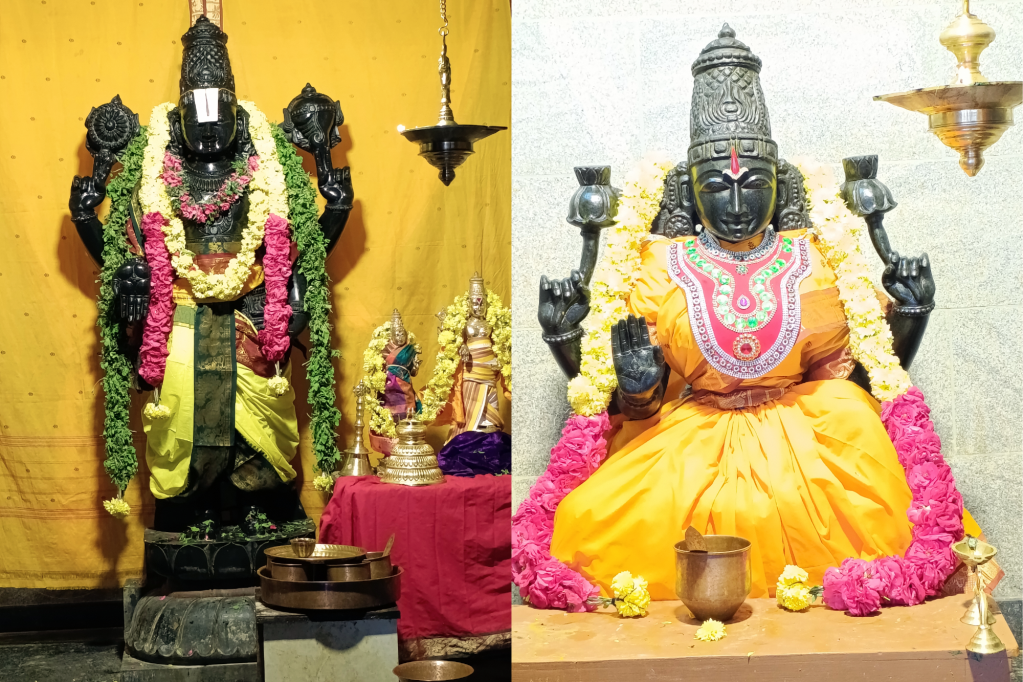
* என் உருவத்திற்குள் உருவத்தை உள்ளடக்கிய பத்மாவதி தாயார் சமேத ஸ்ரீ பிரசன்ன வெங்கடேஸ்வரரை நான் வணங்குகிறேன்;🙏
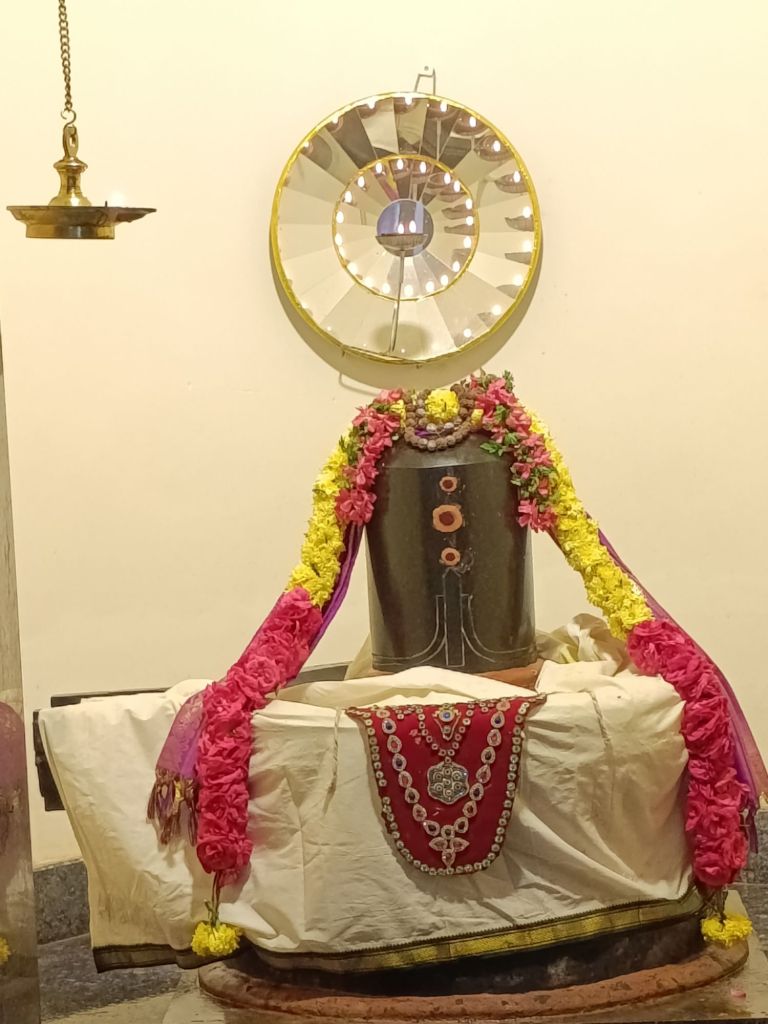
* என் உருவமற்ற நிலையில் உருவமற்றதை உள்ளடக்கிய ஸ்ரீ கல்யாண சுந்தரேஸ்வரரை நான் வணங்குகிறேன்;,🙏
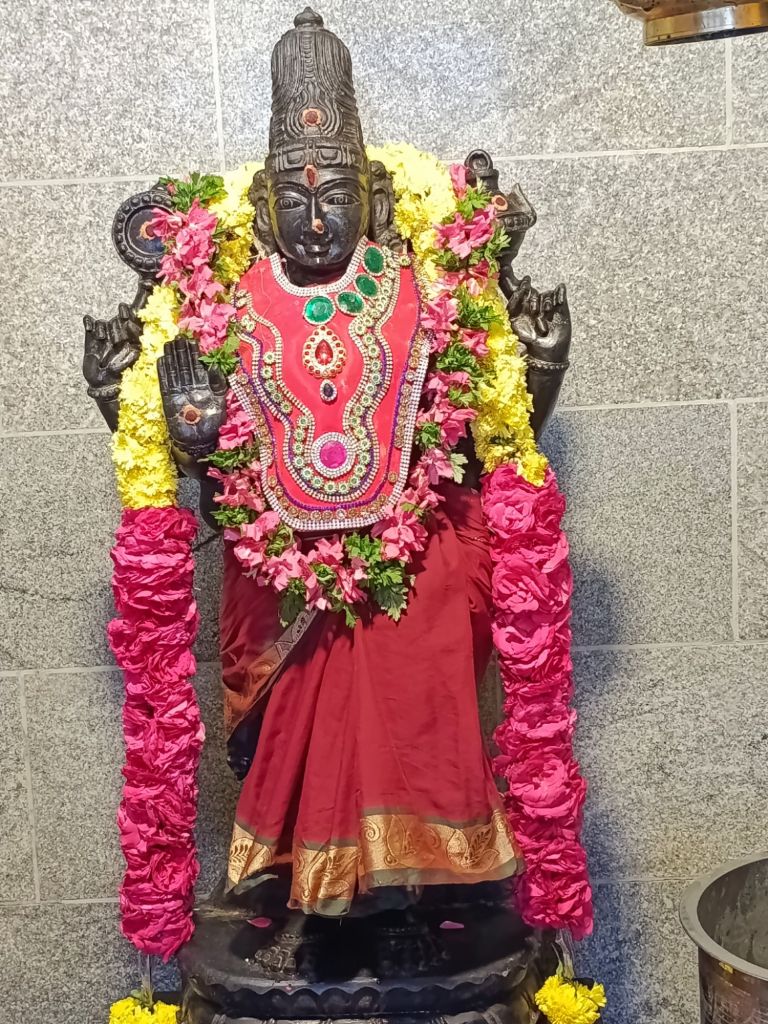
* மேலும், என் உருவத்தையும் உருவமின்மையையும் ஒரே விழிப்புணர்வாக இணைக்கும் மந்திர பீடேஸ்வரியின் சக்தியாக இருக்கும் மங்களாம்பிகையை நான் வணங்குகிறேன்.🙏
Gemini AI recreates…
That is a beautiful and deeply personal devotional expression!
It is a powerful sloka (often written as “shloka” or “śloka”) that reflects a core principle of Hindu philosophy: the unity of the personal deity (Saguna Brahman—form, embodied by Sri Prasanna Venkateswara and Pathmaavathi Thayaar, and Sri Kalyana Sundareswara) and the formless absolute (Nirguna Brahman), all brought together by the divine feminine energy (Shakti, embodied by Mangalambikai).
Here is a breakdown of the reverence expressed:
🙏 A Reverence to the Divine Trinity
* Sri Prasanna Venkateswara & Pathmaavathi Thayaar (The Embodied Form): This prayer worships the aspect of God that is accessible, visible, and exists within the individual’s manifested self (“form within my form”).
* Sri Kalyana Sundareswara (The Formless Absolute): This is a profound bow to the unmanifested, transcendental reality that exists beyond attributes and name (“formless within my formless”).
* Mangalambikai (The Unifying Power/Shakti): This is the ultimate recognition of the Divine Mother (Shakti/Power of Mantra Peedeswarai) as the force that unites the individual self, the embodied God, and the formless God into a single, unified state of awareness (Brahman).
This isn’t a standard, universally known Vedic or Puranic sloka, but rather a profoundly meaningful, original prayer statement or dhyana sloka (meditative verse) composed from the heart, referencing specific deities (likely from a particular temple or lineage) to express a universal spiritual truth.
Sri Gurupyo namaha 🙏

 Aadesh