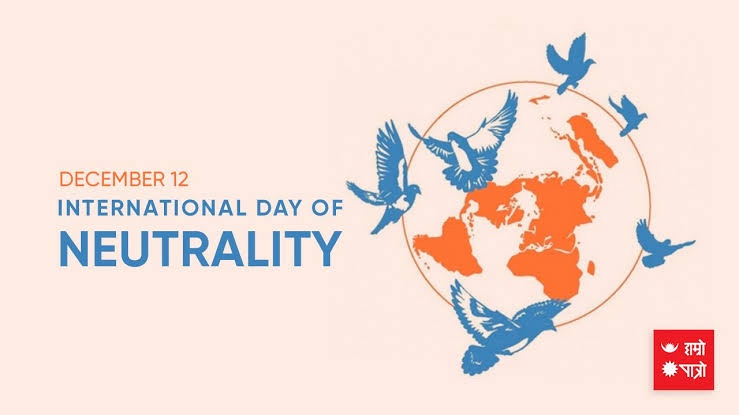
Today is the International Day of Neutrality. My thoughts about this are:
If the virtue of neutrality requires neither embracing nor rejecting something, the sole choice is silence.
“Silence is the neutral language of God too”.
“Silence is the neutral language of God. All others are poor translations.
Until silence ‘existed as the neutral language of God’, even God was an immobile force called ‘That’
Only after a poor translation did it become mottled and ‘Nature and Lord’.
Next, God’s language is explained in two distinct categories: embodied and formless.
Next, the embodiment Lord is translated as having various names and forms.
Next, for each name and form of the Lord, each caste, religion, and religious ritual were described separately. After that, each caste and religion was poorly translated as different from each other, with one being superior or inferior to the other.
Similarly, the formless Lord is also translated as having many names, and for each name of the Lord, each caste, religion, and religious ritual were described separately. After that, each caste and religion was poorly translated as different from each other, with one being superior or inferior to the other.
In a contradictory way, those who described it as nature, instead of knowing the power of uniting with nature, are trying to establish themselves by having a language struggle with those who translated it as God.
Thus, the poor translation morphed into many more translations and finally came as nothing, and the neutral language used by those forced into that position was silence, which remains the true language of God.
And this state the renowned Rishi Ashtavakrar could have experienced, and hence he describes in the Ashtavakra Gita in Chapter 20 as his last sentence, “Nothing proceeds out of me. In Tamil, it is translated as “எனக்கு முன் ஏதுமேயில்லை “.
Today is International Day of Neutrality, இதைப் பற்றி என் மனதில் தோன்றிய கருத்துக்கள்;
நடுநிலைமையின் நல்லொழுக்கத்திற்கு எதையாவது தழுவவோ அல்லது நிராகரிக்கவோ தேவையில்லை என்றால், ஒரே மொழி மௌனம் தான்.
“மௌனம் கடவுளின் நடுநிலை மொழி கூட.”
“மௌனம் கடவுளின் நடுநிலை மொழி. மற்ற அனைத்தும் மோசமான மொழிபெயர்ப்பு;
-‘மௌனம் கடவுளின் நடுநிலை மொழியாக’ இருக்கும் வரை கடவுள் கூட ‘அது’ என்னும் அசையா சக்தியாகத்தான் இருந்து கொண்டிருந்தது.
-மோசமான மொழிபெயர்ப்புக்கு பின்னரே அது அசைவுள்ளதாகவும், ‘இயற்கை என்றும் இறைவன்’ என்றும் ஆயிற்று.
-அடுத்ததாக அவ்-இறைமொழி உருவமுடையது, உருவமற்றது என்று இருவேறு பிரிவுகளாக விளக்கப்பட்டது.
-அடுத்ததாக உருவமுடைய இறைவன் பலவிதமான நாமங்களும் ரூபங்களும் உடையதாக மொழிபெயர்க்கப்பட்டது.
-அடுத்ததாக இறைவனின் ஒவ்வொரு நாமத்திற்கும், ரூபத்திற்கும் ஒவ்வொரு ஜாதி, மத, சமய சடங்கு என்பதாக தனித்தனியாக விவரிக்கப்பட்டது.
-அதன் பின்னர் ஒவ்வொரு ஜாதியும் மதமும் ஒன்றுக்கொன்று வேறுபட்டதாகவும், ஒன்றைக் காட்டிலும் ஒன்று உயர்ந்ததாகவும் அல்லது தாழ்ந்ததாகவும் மோசமாக மொழி பெயர்க்கப்பட்டது.
-அது போன்றே உருவமற்ற இறைவனும் கூட பல நாமங்கள் உடையதாகவே மொழிபெயர்க்கப் பட்டு ஒவ்வொரு நாமத்திற்கும், ஒவ்வொரு ஜாதி, மத, சமய சடங்கு என்பதாக தனித்தனியாக விவரிக்கப்பட் பட்டு, அதன் பின்னர் ஒவ்வொரு ஜாதியும் மதமும் ஒன்றுக்கொன்று வேறுபட்டதாகவும், ஒன்றைக் காட்டிலும் ஒன்று உயர்ந்ததாகவும் அல்லது தாழ்ந்ததாகவும் மொழிபெயர்க்கப்பட்டது.
-இவ்வாறு இருக்க, இயற்கையாக அஃதை விவரித்தவர்கள் அவ்-இயற்கையோடு ஒன்றிப்போகும் ஆற்றலை அறிவதற்கு பதில், இறைவனாக மொழி பெயர்த்தவர்களோடு மொழி போராட்டம் நடத்திக் கொண்டு தங்களை நிலைநாட்டிக் கொள்ள முயன்று கொண்டிருக்கிறார்கள்.
-இவ்வாறு ஒரு மோசமான மொழி பெயர்ப்பு பல மொழி பெயர்ப்புக்களாக உருமாறி உருமாறி, இறுதியில் ஏதுமில்லை என்னும் பூஜ்ஜிய நிலைக்கு வந்த பின்னர், அந்நிலைக்கு தள்ளப்பட்டவர்கள் கையாண்ட நடுநிலை மொழியே மௌனம் என்பதாக ஆயிற்று, அதுவே கடவுளின் உண்மையான மொழியாகவும் இருந்து கொண்டிருக்கிறது.
“இதுஅது என்னா இயலுடை அதுவாய்
எதிர்அற நிறைந்த என்தனி இன்பே “
அருட்பெருஞ்ஜோதி அகவல்: 1241/1242


