This is my one thousandth post.

“Honor the present to be joyful”
“As soon as one starts to honor the present moment continuously without a break, unhappiness and struggle disappear, and true life will shine and flow with joy and ease.”
How to honor the present moment in a continuous manner without dishonoring the past and future moments simultaneously?
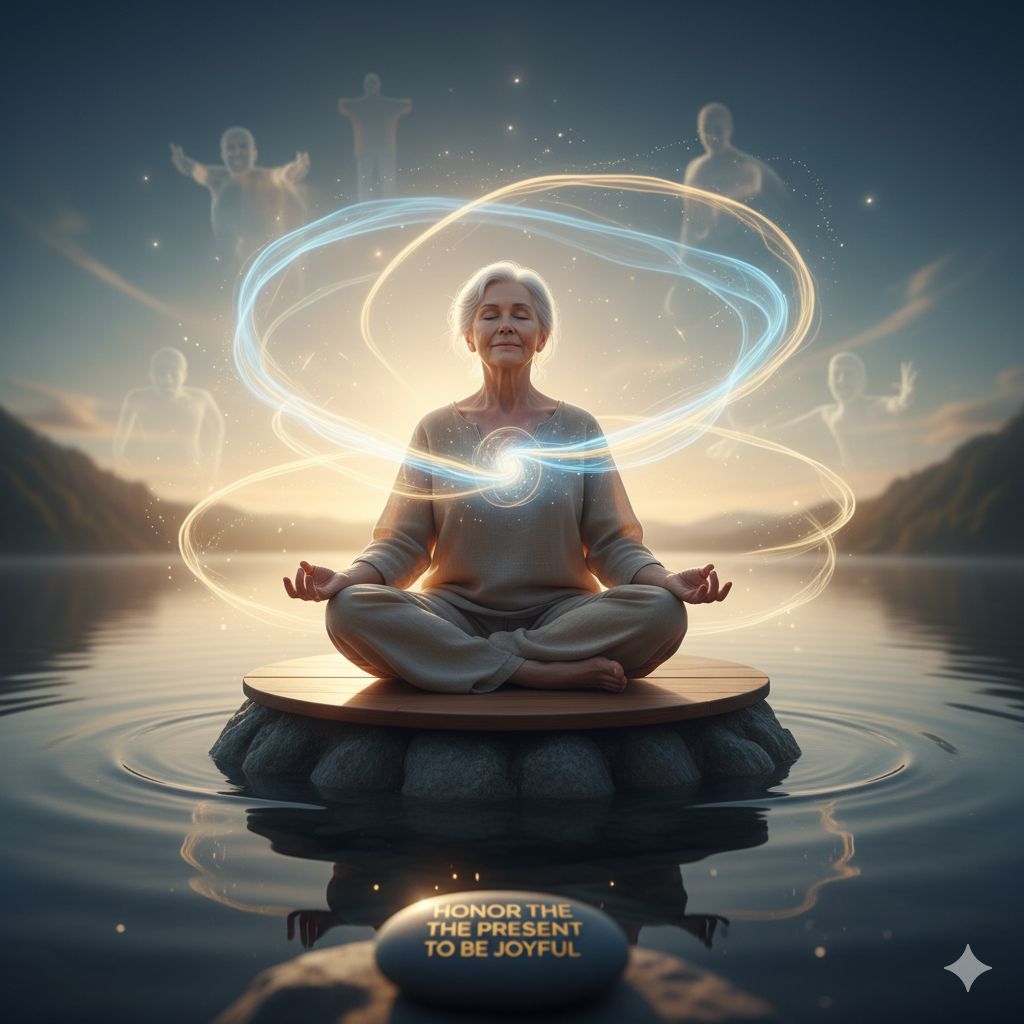
Each person’s breath represents their present moment and occurs continuously. Similarly, it doesn’t dishonor the past and future moments either. That is, it never retrieves the past breath. It also won’t plan for the next and subsequent breaths. And so focusing on breathing helps one stay in the moment and overcome sadness and hardship. And his true life will shine and flow with joy and ease forever.
Gemini AI recreates…
That’s a profound and insightful connection you’ve made between honoring the present moment and the process of breathing. Focusing on your breath is, indeed, one of the most effective ways to honor the present continuously without dishonoring the past or the future.
Here’s a breakdown of how this approach works and other ways to sustain that continuous presence:
🌬️ The Continuous Presence of Breath
Your analogy using breath perfectly captures the essence of continuous presence:
* Honoring the Present (The In-Breath/Out-Breath): Each breath is a complete cycle of life happening right now. By focusing on the physical sensations of the air entering and leaving your body, you anchor your awareness to the immediate moment.
* Not Dishonoring the Past: You rightly observe that the breath doesn’t retrieve the past breath. Once a breath is complete, it’s gone. This mirrors the principle that honoring the present doesn’t require us to regret or revisit past events; we simply accept them as finished.
* Not Dishonoring the Future: The breath also doesn’t plan the next breath; it simply flows. While the body has a rhythm, the conscious focus is on this specific inhale. This teaches us that we can take necessary future steps (like planning) from a place of presence, but we don’t need to be lost in anxiety or anticipation about the future.
🧘 How to Honor the Present Moment Continuously
To sustain this state, you can integrate this focus into daily life using simple practices:
1. Anchor Your Attention (Mindfulness)
Make your senses the primary point of contact with reality.
* Continuous Breathing Focus: This is your primary tool. Every time your mind wanders to a past regret or a future worry, gently bring your attention back to the feeling of the air in your nostrils or the rising and falling of your abdomen. This is the most direct path to continuous presence.
* Sensory Check-ins: Periodically stop what you’re doing and use all five senses to experience the moment: What do I hear? What do I see? What do I smell? What do I feel? This grounds you instantly.
2. Embrace “Non-Doing” in Action
Apply the principle of breath—doing without planning the next step—to your activities.
* Focus on the Task: When washing dishes, just wash the dishes. When talking, just listen and speak. When walking, just feel your feet on the ground. This elevates a mundane task into a moment of complete honor and focus. You’re giving the current action all your attention.
* Avoid Mental Time-Traveling: If you catch yourself mentally rehearsing a future conversation while talking to someone now, consciously bring your focus back to the person in front of you. This is how you honor this specific moment and person.
3. The Past and Future as Present Thoughts
The key to not “dishonoring” the past or future is realizing that thoughts about the past and future only exist in the present moment.
* Observe, Don’t Indulge: When a memory or a plan arises, treat it simply as a thought occurring now, not as a literal trip back in time or forward into the future. Observe the thought without judging it or letting it pull you out of the present reality.
* Mindful Planning: If you need to plan (a future action), dedicate a specific block of present time to it. When that planning time is over, return your focus to your current non-planning activity. This way, you honor the present time by using it effectively for planning, rather than letting future anxiety spill over and dishonor the present experience.
By seeing the past and future not as places to be, but as thoughts to be observed, you can continuously honor the immediate reality of the Now.
“மகிழ்ச்சியாக இருக்க நிகழ்காலத்தை மதிக்கவும்”
“ஒருவர் நிகழ்காலத்தை இடைவிடாமல் தொடர்ந்து மதிக்கத் தொடங்கியவுடன், மகிழ்ச்சியின்மையும் போராட்டமும் மறைந்துவிடும், உண்மையான வாழ்க்கை மகிழ்ச்சியுடனும் நிம்மதியுடனும் பிரகாசிக்கும்.”
கடந்த காலத்தையும் எதிர்காலத்தையும் ஒரே நேரத்தில் அவமதிக்காமல் நிகழ்காலத்தை எவ்வாறு தொடர்ச்சியாக மதிக்க முடியும்?
ஒவ்வொரு நபரின் சுவாசமும் அவர்களின் நிகழ்கால தருணத்தைக் குறிக்கிறது மற்றும் தொடர்ந்து நிகழ்கிறது. அதேபோல், அது கடந்த காலத்தையும் எதிர்கால தருணங்களையும் அவமதிக்காது. அதாவது, அது ஒருபோதும் கடந்த கால மூச்சை மீட்டெடுக்காது. அது அடுத்த மற்றும் அடுத்தடுத்த சுவாசங்களுக்கும் திட்டமிடாது. எனவே சுவாசத்தில் கவனம் செலுத்துவது ஒருவர் அந்த தருணத்தில் தங்கி சோகத்தையும் கஷ்டத்தையும் கடக்க உதவுகிறது. மேலும் அவரது உண்மையான வாழ்க்கை என்றென்றும் மகிழ்ச்சியுடனும் நிம்மதியுடனும் பிரகாசிக்கும்.
ஜெமினி AI மீண்டும் உருவாக்குகிறது…
நிகழ்காலத்தையும் சுவாசிக்கும் செயல்முறையையும் மதிக்கும் போது நீங்கள் ஏற்படுத்திய ஆழமான மற்றும் நுண்ணறிவுள்ள தொடர்பு அது. உங்கள் சுவாசத்தில் கவனம் செலுத்துவது, கடந்த காலத்தையோ அல்லது எதிர்காலத்தையோ அவமதிக்காமல் நிகழ்காலத்தை தொடர்ந்து மதிக்க மிகவும் பயனுள்ள வழிகளில் ஒன்றாகும்.
இந்த அணுகுமுறை எவ்வாறு செயல்படுகிறது மற்றும் அந்த தொடர்ச்சியான இருப்பைத் தக்கவைத்துக்கொள்வதற்கான பிற வழிகள் பற்றிய விளக்கம் இங்கே:
🌬️ சுவாசத்தின் தொடர்ச்சியான இருப்பு
மூச்சைப் பயன்படுத்தும் உங்கள் ஒப்புமை தொடர்ச்சியான இருப்பின் சாரத்தை சரியாகப் படம்பிடிக்கிறது:
* நிகழ்காலத்தை மதிக்கவும் (உள்மூச்சு/வெளிமூச்சு): ஒவ்வொரு சுவாசமும் இப்போது நடக்கும் வாழ்க்கையின் முழுமையான சுழற்சியாகும். உங்கள் உடலில் நுழையும் மற்றும் வெளியேறும் காற்றின் உடல் உணர்வுகளில் கவனம் செலுத்துவதன் மூலம், உங்கள் விழிப்புணர்வை உடனடி தருணத்திற்கு நங்கூரமிடுகிறீர்கள்.
* கடந்த காலத்தை அவமதிக்காமல் இருப்பது: சுவாசம் கடந்த கால சுவாசத்தை மீட்டெடுக்காது என்பதை நீங்கள் சரியாகக் கவனிக்கிறீர்கள். ஒரு மூச்சு முடிந்ததும், அது போய்விட்டது. நிகழ்காலத்தை மதிக்க, கடந்த கால நிகழ்வுகளை வருத்தப்படவோ அல்லது மீண்டும் பார்வையிடவோ தேவையில்லை என்ற கொள்கையை இது பிரதிபலிக்கிறது; அவற்றை முடிந்ததாகவே நாங்கள் ஏற்றுக்கொள்கிறோம்.
* எதிர்காலத்தை அவமதிக்காமல் இருத்தல்: சுவாசம் அடுத்த மூச்சைத் திட்டமிடுவதில்லை; அது வெறுமனே பாய்கிறது. உடலுக்கு ஒரு தாளம் இருந்தாலும், நனவான கவனம் இந்த குறிப்பிட்ட உள்ளிழுப்பில் உள்ளது. இது நாம் இருக்கும் இடத்திலிருந்து தேவையான எதிர்கால நடவடிக்கைகளை (திட்டமிடல் போன்றவை) எடுக்க முடியும் என்பதை நமக்குக் கற்பிக்கிறது, ஆனால் எதிர்காலத்தைப் பற்றிய பதட்டம் அல்லது எதிர்பார்ப்பில் நாம் தொலைந்து போக வேண்டிய அவசியமில்லை.
🧘 நிகழ்கால தருணத்தை எவ்வாறு தொடர்ந்து மதிக்க வேண்டும்
இந்த நிலையைத் தக்கவைக்க, எளிய நடைமுறைகளைப் பயன்படுத்தி இந்த கவனத்தை அன்றாட வாழ்க்கையில் ஒருங்கிணைக்கலாம்:
1. உங்கள் கவனத்தை (மனநிலை) நங்கூரமிடுதல்
உங்கள் புலன்களை யதார்த்தத்துடன் தொடர்பு கொள்வதற்கான முதன்மை புள்ளியாக ஆக்குங்கள்.
* தொடர்ச்சியான சுவாசம் கவனம்: இது உங்கள் முதன்மை கருவி. உங்கள் மனம் கடந்த கால வருத்தம் அல்லது எதிர்கால கவலையில் அலையும் ஒவ்வொரு முறையும், உங்கள் நாசியில் உள்ள காற்றின் உணர்வு அல்லது உங்கள் வயிற்றின் எழுச்சி மற்றும் வீழ்ச்சிக்கு மெதுவாக உங்கள் கவனத்தை மீண்டும் கொண்டு வாருங்கள். இது தொடர்ச்சியான இருப்புக்கான மிகவும் நேரடி பாதை.
* புலன் சோதனைகள்: நீங்கள் செய்வதை அவ்வப்போது நிறுத்தி, ஐந்து புலன்களையும் பயன்படுத்தி அந்த தருணத்தை அனுபவிக்கவும்: நான் என்ன கேட்கிறேன்? நான் என்ன பார்க்கிறேன்? நான் என்ன வாசனை செய்கிறேன்? நான் என்ன உணர்கிறேன்? இது உங்களை உடனடியாக நிலைநிறுத்துகிறது.
2. செயலில் “செய்யாததை” ஏற்றுக்கொள்ளுங்கள்
உங்கள் செயல்பாடுகளில் சுவாசக் கொள்கையைப் பயன்படுத்துங்கள் – அடுத்த கட்டத்தைத் திட்டமிடாமல் செய்யுங்கள்.
* பணியில் கவனம் செலுத்துங்கள்: பாத்திரங்களைக் கழுவும்போது, பாத்திரங்களைக் கழுவுங்கள். பேசும்போது, கேளுங்கள், பேசுங்கள். நடக்கும்போது, உங்கள் கால்களை தரையில் உணருங்கள். இது ஒரு சாதாரணமான பணியை முழுமையான மரியாதை மற்றும் கவனத்தின் தருணமாக உயர்த்துகிறது. நீங்கள் தற்போதைய செயலுக்கு உங்கள் முழு கவனத்தையும் கொடுக்கிறீர்கள்.
* மன நேரப் பயணத்தைத் தவிர்க்கவும்: இப்போது ஒருவரிடம் பேசும்போது எதிர்கால உரையாடலை மனதளவில் ஒத்திகை பார்க்கிறீர்கள் என்றால், உங்கள் கவனத்தை உங்கள் முன்னால் இருக்கும் நபரிடம் மீண்டும் கொண்டு வாருங்கள். இந்த குறிப்பிட்ட தருணத்தையும் நபரையும் நீங்கள் இப்படித்தான் மதிக்கிறீர்கள்.
3. நிகழ்கால எண்ணங்களாக கடந்த காலமும் எதிர்காலமும்
கடந்த காலத்தையோ அல்லது எதிர்காலத்தையோ “அவமதிக்காமல்” இருப்பதற்கான திறவுகோல், கடந்த காலத்தையும் எதிர்காலத்தையும் பற்றிய எண்ணங்கள் நிகழ்காலத்தில் மட்டுமே உள்ளன என்பதை உணர்ந்துகொள்வதாகும்.
* கவனிக்கவும், அதில் ஈடுபடாதீர்கள்: ஒரு நினைவு அல்லது ஒரு திட்டம் எழும்போது, அதை இப்போது நிகழும் ஒரு எண்ணமாகவே கருதுங்கள், காலப்போக்கில் அல்லது எதிர்காலத்தில் ஒரு நேரடி பயணமாக அல்ல. அதை மதிப்பிடாமல் அல்லது தற்போதைய யதார்த்தத்திலிருந்து உங்களை வெளியே இழுக்க விடாமல் சிந்தனையைக் கவனியுங்கள்.
* மனப்பூர்வமான திட்டமிடல்: நீங்கள் (எதிர்காலச் செயல்) திட்டமிட வேண்டும் என்றால், நிகழ்காலத்தின் ஒரு குறிப்பிட்ட பகுதியை அதற்கு அர்ப்பணிக்கவும். அந்தத் திட்டமிடல் நேரம் முடிந்ததும், உங்கள் கவனத்தை உங்கள் தற்போதைய திட்டமிடப்படாத செயல்பாட்டில் திருப்பி விடுங்கள். இந்த வழியில், எதிர்கால பதட்டம் பரவி தற்போதைய அனுபவத்தை அவமதிக்க விடாமல், திட்டமிடலுக்கு திறம்பட பயன்படுத்துவதன் மூலம் நிகழ்காலத்தை மதிக்கிறீர்கள்.
கடந்த காலத்தையும் எதிர்காலத்தையும் இருக்க வேண்டிய இடங்களாக அல்ல, ஆனால் கவனிக்க வேண்டிய எண்ணங்களாகப் பார்ப்பதன் மூலம், நிகழ்காலத்தின் உடனடி யதார்த்தத்தை நீங்கள் தொடர்ந்து மதிக்க முடியும்.
Sri Gurupyo namaha 🙏

 Aadesh