The end of man is knowledge, but there is one thing he can’t know. He can’t know whether knowledge will save him or kill him. He will be killed, all right, but he can’t know whether he is killed because of the knowledge that he has or because of the knowledge that he doesn’t have, and if he had it, whether it would save him.
:Robert Penn Warren.
Interpretation:
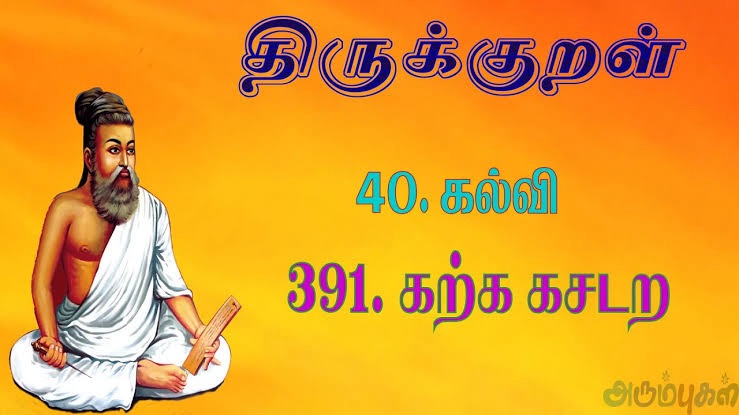
Auvayar says: What one learns is only the size of a handful, whereas what is unlearned is the size of the world. Similarly, Thiruvalluvar says: Learn without slag.
In other words, the combination of slag and learned knowledge leads to his death. Once he removes the slag, the knowledge he has learned will prevent him from dying. And he will have nothing that is not to be learned. On the other hand, because of his education mixed with slag, the enlightenment of the learner is dimmed; for such a person, the learning becomes infinite.
மனிதனின் முடிவு அறிவுதான், ஆனால் அவனால் அறிய முடியாத ஒன்று இருக்கிறது. கற்ற அறிவு அவனைக் காப்பாற்றுமா அல்லது கொல்லுமா என்பதை அவனால் அறிய முடியாது. அவர் கொல்லப்படுவார், சரி, ஆனால் அவர் கற்ற அறிவால் கொல்லப்படுவாரா அல்லது கல்லாத உலகறிவால் அவர் கொல்லப்படுவாரா , அல்லது கல்லாத உலகறிவு இருந்தால், அது அவரைக் காப்பாற்றுமா என்பதை அவரால் அறிய முடியாது. ~ராபர்ட் பென் வாரன்
Interpretation:
“கற்றது கை மண் அளவு. கல்லாதது உலகளவு” என்பது அவ்வையார் வாக்கு. அது போன்று
கற்க கசடற’ என்பது வள்ளுவர் பெருமானின் கூற்று.
அதாவது கற்ற அறிவில் கலந்து இருக்கும் கசடே அவனை கொல்கிறது. கசடு நீக்கிய பின்பு கற்ற அறிவானது அவனை சாவிலிருந்து காப்பாற்றும்.மேலும் கல்லாதவை என்று அவனுக்கு ஏதும் இருக்காது. மாறாக கசடு கலந்து கற்பவனின் அறிவொளி மங்கியே விளங்குவதால் அத்தகையவனுக்குத்தான் கல்லாதவை என்பது உலகளவு.

 Aadesh