
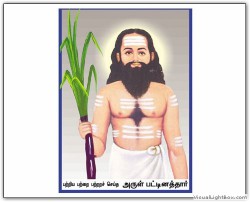
“நல்லவை எல்லாஅந் தீயவாம் தீயவும்
நல்லவாம் செல்வம் செயற்கு.”
நல்ல செயல்களை ஆற்ற முற்படும்போது அவை தீமையில் போய் முடிந்துவிடுவதும், தீய செயல்களை ஆற்றிட முனையும்போது அவை நல்லவைகளாக முடிந்து விடுவதும் இயற்கை நிலை எனப்படும் என்பது இக்குறளின் பொதுப் பொருளாக உள்ளது.
திருவள்ளுவர் செல்வம் என்று குறிப்பிடுவதை மண் அல்லது பொன் என்பதாக பொருள் கொள்ளாமல் செல்வம் என்பது,
“செல்வத்துட் செல்வஞ் செவிச்செல்வம் அச்செல்வம்
செல்வத்து ளெல்லாந் தலை.”
என்னும் செவி வழியாக வரும் செல்வத்தை பற்றியே என்பதாக கொண்டால் பொருள் மெய்பொருளாகும் . அதாவது
“எழுதாத புத்தகத்து ஏட்டின் பொருளை“ என்னும் திருமந்திரச் சொல்லுக்கொப்ப குரு பரம்பரையாக வரும் ஞான உபதேசத்தையே செல்வம் என்று வள்ளுவர் இங்கு குறிப்பிடுகிறார். இத்தகைய செல்வத்தை ஈட்ட முயற்சிப்பவர்களுக்கே…
“உயர் செல்வமெல்லாம் அன்றென்று இரு, அடர்ந்த சந்தைக் கூட்டமென்றே இரு சுற்றத்தை ” என்னும் பட்டினத்து சுவாமிகள் வாக்கின் படி,
உலகம் நல்லவை, வேண்டுபவை என்று கருதும், பொன்,பொருள் பதவி,மனைவி மக்கள்,உற்றார், உறவினர்,புகழ் என்னும் இவை எல்லாம் இவர்கள் தேடும் மெய்ஞானத்திற்கு, இவர்கள் காணும் கடை வழிக்கு…
காதற்ற ஊசியில் நூலினை கோர்த்து.. துணிகளாக தைத்து… ஆடையாக உடுத்திக்கொள்ளலாம்…. என்று எண்ணும் மடமைக்கு ஒப்பான, வேண்டாதவை எனப்படும் தீயவாம்! மாறாக…..
“பசித்தோர் முகம் பார் நல்லறமும் நட்பும்
நன்றென்று இரு, நடு நீங்காமலே நமக்கு இட்டபடி” என்னும் பட்டினத்து சுவாமிகள் வாக்கின் படி, உலகம் தீயவை, வேண்டாதவை என்று கருதும், பற்றின்மை,சமநோக்குடைமை பொன்னையும் மண்ணையும் ஒன்றாக கருதும் எண்ணம், எவ்வுயிர்களிடத்தும் கருணை கொள்ளுதல்,
“யாதும் ஊரே யாவரும் கேளீர்” என்று…
“யாம் பெற்ற இன்பம் பெருக இவ் வையகம்” என்னும் எண்ணம், இவையாவும் இவர்கள் தேடும் மெய்ஞானத்திற்கு, காணும் கடை வழிக்கு வேண்டுபவை எனப்படும் நல்லவையாம்!
எடுத்துக்காட்டாக: எவ்வாறு பட்டினத்து சுவாமிகள், தாயுமானவர், மாணிக்கவாசகர் போன்றோர், இவ் அருட்செல்வத்தை அடையும் பொருட்டு, உலகம் நல்லவை என்று கருதும், உயர்செல்வங்களான அமைச்சர் பதவியையும்,அரசனுக்கு இணையாய் இருந்த அளப்பரிய செல்வங்களையும்,சுற்றம் சூழலையும், தீயனவாக எண்ணி துறந்தனரோ அவ்வாறே !
the following is an extract from the brihadaranyaka upanishad 5.6
‘Verily, a husband is not dear, that you may love the husband; but that you may love the Self, therefore a husband is dear.
‘Verily, a wife is not dear, that you may love the wife; but that you may love the Self, therefore a wife is dear.
‘Verily, sons are not dear, that you may love the sons; but that you may love the Self, therefore sons are dear.
‘Verily, wealth is not dear, that you may love wealth; but that you may love the Self, therefore wealth is dear.
‘Verily, cattle are not dear, that you may love cattle; but that you may love the Self, therefore cattle are dear.
‘Verily, the Brahman-class is not dear, that you may love the Brahman-class; but that you may love the Self, therefore the Brahman-class is dear.
‘Verily, the Kshatra-class is not dear, that you may love the Kshatra-class; but that you may love the Self, therefore the Kshatra-class is dear.
‘Verily, the worlds are not dear, that you may love the worlds; but that you may love the Self, therefore the worlds are dear.
‘Verily, the Devas are not dear, that you may love the Devas; but that you may love the Self, therefore the Devas are dear.
‘Verily, the Vedas are not dear, that you may love the Vedas; but that you may love the Self, therefore the Vedas are dear.
‘Verily, creatures are not dear, that you may love the creatures; but that you may love the Self, therefore are creatures dear.
‘Verily, everything is not dear, that you may love everything; but that you may love the Self, therefore everything is dear.
‘Verily, the Self is to be seen, to be heard, to be perceived, to be marked, O Maitreyî! When the Self has been seen, heard, perceived, and known, then all this is known!
சாய்ராம்

 Aadesh